

Data Centers, AI Infrastructure, and the New Global Competition for Technology Talent
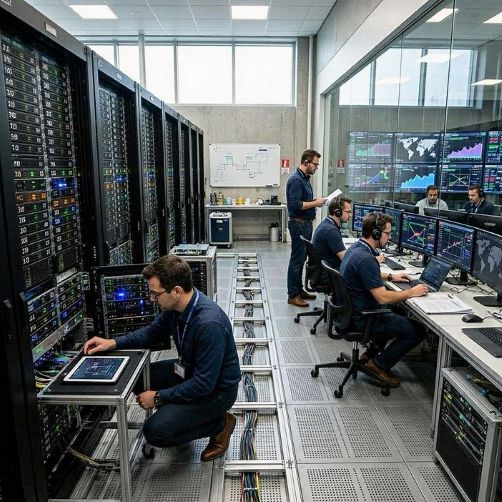
Global spending on artificial intelligence infrastructure continues to accelerate as governments and private companies invest billions of dollars in new data centers, cloud platforms, and high-performance computing facilities. These developments are increasing demand for AI infrastructure jobs, creating new opportunities for engineers, cybersecurity professionals, and network specialists across many regions.
The rapid expansion of AI systems is directly driving the construction of advanced digital infrastructure. Research from International Data Corporation (IDC) indicates that worldwide spending on AI-related technologies continues to grow at a strong pace as organizations adopt machine learning, automation, and generative AI tools. At the same time, major cloud providers are expanding data center capacity to support increasing computing requirements.
Why Talent Demand Is Rising
As more AI facilities come online, organizations require highly skilled professionals to design, secure, and maintain complex technology environments. Data from CompTIA shows ongoing demand for technology workers in fields such as cloud computing, cybersecurity, software engineering, and network administration.
The cause-and-effect relationship is clear. Larger investments in digital infrastructure create more computing capacity. Increased capacity supports AI applications. Those applications then require qualified personnel to manage hardware, software, networking, and security operations. Experts from Gartner note that skills shortages remain one of the biggest barriers to technology adoption worldwide.
Workforce Challenges and Economic Opportunities
While demand continues to rise, many employers struggle to find experienced candidates. Research published by the World Economic Forum indicates that technology and digital skills gaps remain significant across global labor markets.
At the same time, infrastructure projects generate broader economic benefits. New facilities create employment during construction and support long-term positions in operations, maintenance, compliance, and digital services. Universities and training institutions are increasingly expanding programs focused on cloud technologies, cybersecurity, and AI systems to address workforce needs.
Long-Term Labor Market Implications
Continued investment in AI infrastructure is likely to reshape technology employment for years to come. Demand for cloud architects, cybersecurity analysts, data center engineers, and network professionals is expected to remain strong as organizations expand digital capabilities. The competition for specialized talent may encourage greater investment in education, workforce development, and technical training, making digital infrastructure careers an increasingly important part of the global economy.