

IT Professionals in a High-Growth Economy: Powering the Digital Transformation of Dental Clinics
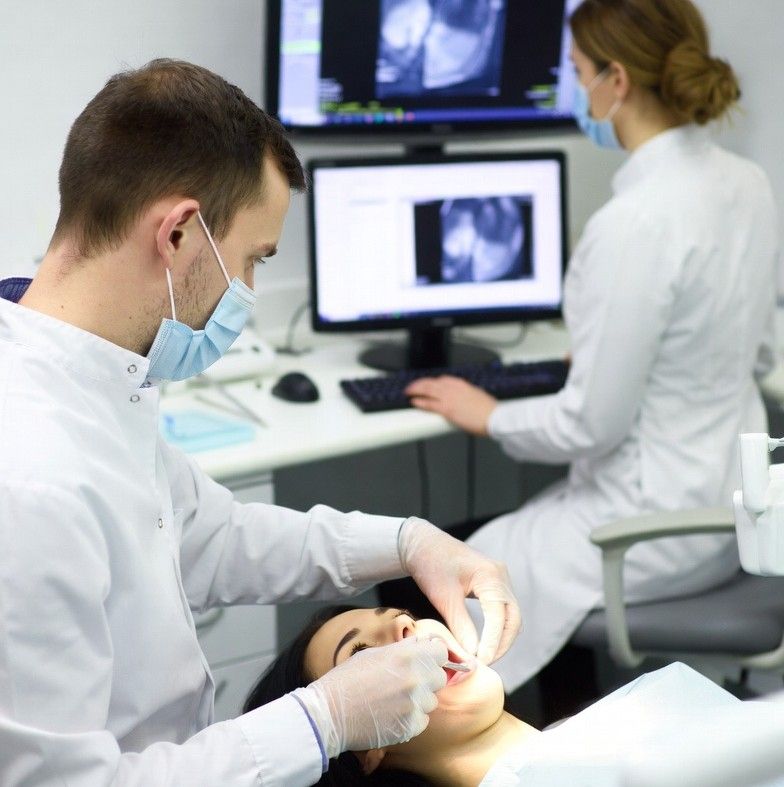
Healthcare is becoming increasingly digital, and dental clinics are part of that shift. According to the American Dental Association, more dental practices now rely on electronic records, digital imaging, and practice management software to run daily operations. Behind these tools are IT professionals who keep systems secure, efficient, and connected. As clinics modernize, demand for tech specialists who understand healthcare environments continues to grow.
This overlap between healthcare and technology has created a niche for IT professionals working directly with dental practices. Clinics may be small businesses, but their technology needs can be surprisingly complex. They manage patient records, imaging systems, appointment platforms, billing software, and cybersecurity protections. Financial advisors who specialize in areas such as financial planning for dentists recognize that dentistry operates within a unique ecosystem. IT professionals supporting dental clinics are increasingly becoming part of that ecosystem as well.
Why Dental Clinics Need Dedicated IT Support
A modern dental office runs on more than drills and X-ray machines. Digital imaging systems produce large files that must be stored securely. Appointment platforms connect with patient reminders and insurance billing systems. Even a short network outage can disrupt an entire day of appointments.
IT professionals working with dental clinics often handle several critical responsibilities:
- Maintaining secure patient record systems
- Managing dental imaging storage and backups
- Protecting patient data from cyber threats
- Integrating appointment and billing software
- Ensuring regulatory compliance for healthcare data
Healthcare information is highly sensitive. Regulations surrounding patient privacy mean clinics must maintain strict data protection standards. This makes IT expertise essential, even for smaller practices.
Many clinics cannot afford full in-house IT teams, so specialized consultants or managed service providers often step in. These professionals become long-term partners, helping practices operate smoothly while dentists focus on patient care.
Where IT Professionals Fit Into the Dental Economy
Dentistry may appear traditional on the surface, but the industry is evolving quickly. Digital scanning, cloud-based patient management systems, and AI-assisted diagnostics are becoming more common in dental practices worldwide. Each innovation requires skilled technical support.
Software engineers develop practice management tools. Network specialists secure patient databases. Cybersecurity professionals monitor potential threats. Data technicians ensure imaging and patient records remain accessible. The result is a small but growing technology workforce supporting dental clinics behind the scenes.
This ecosystem extends beyond the clinic itself. Dental laboratories, imaging centers, and insurance systems all rely on interconnected platforms. IT professionals who understand these systems bring valuable expertise to a niche market.
A Niche Market With Strong Demand
Healthcare sectors often reward specialization, and dental IT is no exception.
Professionals who understand both technology and clinical workflows become highly valuable. A general IT consultant might fix network issues. A dental IT specialist understands how imaging software interacts with patient charts and insurance platforms. That knowledge saves clinics time and money. Industry specialists often build long-term relationships with dental practices. Instead of one-time projects, they provide ongoing support, system upgrades, cybersecurity monitoring, and training for clinic staff.
This mirrors how other specialized services operate in dentistry. For example, financial advisors who focus on financial planning for dentists tailor their guidance around practice ownership, equipment investments, and healthcare tax structures. IT professionals who focus on dental clinics follow a similar niche strategy, offering expertise designed specifically for this environment.
Opportunities for Tech Professionals
For IT workers looking to specialize, dental clinics offer an interesting career path. The work combines healthcare technology, cybersecurity, and small business systems management. As the industry adapts to cloud platforms, cybersecurity risks, and evolving hiring trends, many professionals are navigating a changing IT job landscape where niche expertise can provide long-term stability.
Several roles commonly appear in this niche:
- Dental software implementation specialists
- Healthcare cybersecurity consultants
- Cloud system administrators for clinic networks
- Technical support providers for imaging equipment
- Practice management software developers
Because many dental practices are privately owned businesses, IT professionals who understand both technical systems and operational workflows often become trusted advisors.
It’s not unusual for one consultant to support dozens of clinics across a region. Some build entire companies around dental IT services. And as dental practices continue adopting cloud platforms and digital diagnostics, this demand is likely to expand.
The Future of Tech in Dentistry
The dental industry may not be the first place people think of when discussing high-growth tech careers. Yet behind every modern clinic is a network of software, security systems, and digital tools that require expert management.
From digital X-rays to cloud-based patient records, dentistry now depends heavily on technology infrastructure. That infrastructure creates opportunities for IT professionals willing to focus on specialized markets.
Just as advisory services built around financial planning for dentists recognize the unique needs of dental professionals, IT specialists who understand the operational realities of dental clinics can build valuable and lasting careers within this niche.
Sometimes the most interesting tech jobs are not inside big tech companies. They are quietly powering industries that rely on technology every single day.