

Top Condo Locations for IT Professionals Working in Singapore’s Tech Corridors
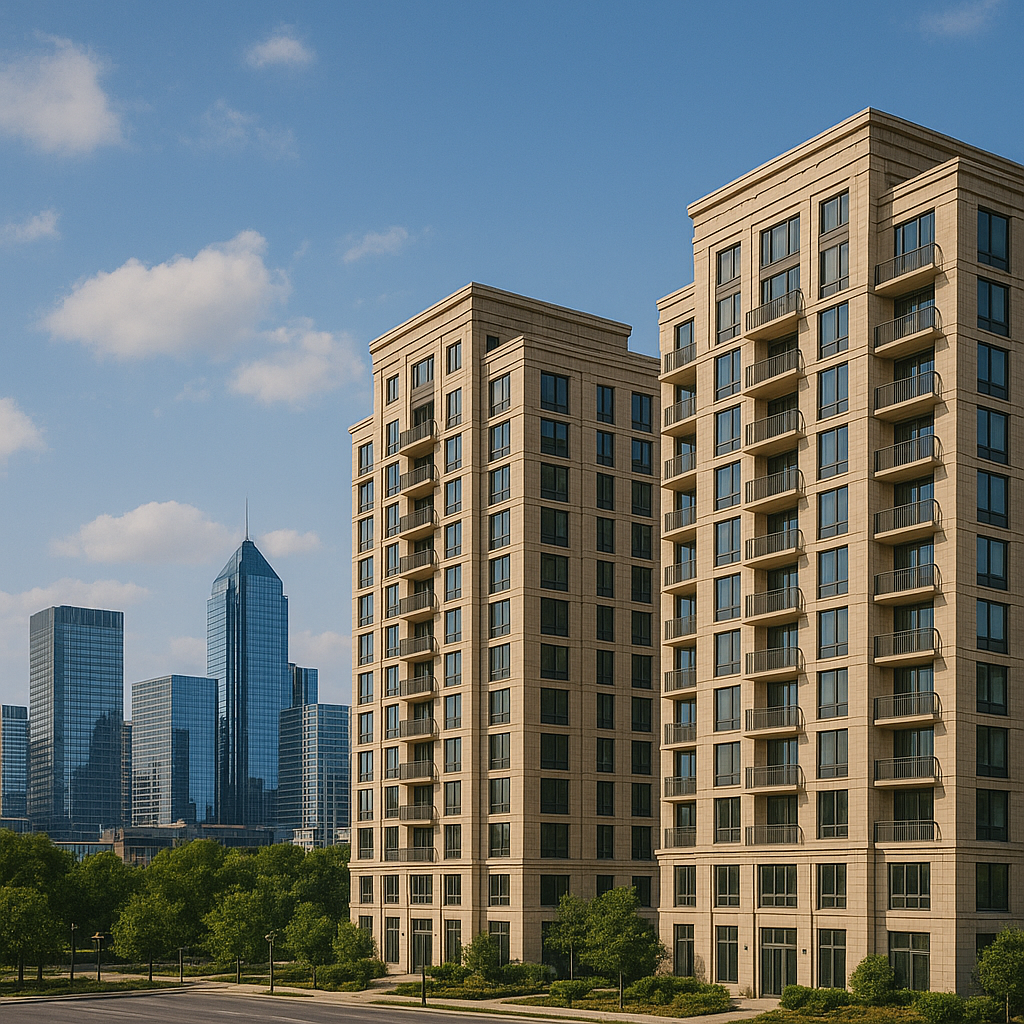 Singapore’s tech sector is booming, with hubs like One-North, Buona Vista, and Fusionopolis driving demand for well-located housing. For IT professionals, picking a home that’s close to work, well-connected by MRT, and offers a comfortable lifestyle is key. Here are four top condo locations that strike the right balance.
1. Thomson / Bright Hill (District 20)
This mature residential area is situated along the Thomson-East Coast Line (TEL), offering a convenient commute to tech hubs and the city center, while also providing access to a range of residences amenities that enhance everyday living.
- Near tech zones: Quick access to One-North and Biopolis via TEL and PIE/CTE makes this area ideal for those working in R&D or biotech.
- Popular condos, such as Thomson Three, Thomson Grand, and The Gardens at Bishan, are conveniently located near the Bright Hill MRT station.
- Lifestyle perks: Bishan Park is within walking distance for outdoor activities and relaxation.
- Pricing: Units range from compact 1-bedroom to spacious 3-bedroom, with prices generally between S$1,900 and S$2,300 per square foot.
Why it works: Bright Hill is a quiet, family-friendly neighborhood with excellent schools and eateries, as well as quick access to central districts via the MRT.
2. One-North / Slim Barracks Rise (District 5)
This is the heart of Singapore’s tech and innovation scene. If you work at a firm like Shopee, Grab, or a biomedical startup, you’re probably already nearby.
- New developments, such as Condos like The Hill @ One-North and Blossoms by the Park, cater directly to tech workers.
- Transit: Close to both One-North and Buona Vista MRT stations.
- Work-life balance: Integrated retail, dining, gyms, and green areas make it a self-sufficient area.
- Prices: New units typically range from S$1.49 million to over S$3 million, depending on size and features.
Why it works: You’re living where you work, cutting commute time to near zero. The lifestyle is designed for young professionals and growing families alike.
3. Buona Vista / Holland–Bukit Timah (District 21)
Nestled between One-North and downtown, this area offers a quieter residential option that remains highly accessible to major tech offices.
- Key employers nearby: Google, Grab, and various media companies.
- Connectivity: The Buona Vista and Holland Village MRT stations, along with the upcoming Cross Island Line, make travel easy.
- Living environment: A good mix of greenery, eateries, and schools. Great for professionals planning to settle long-term.
Why it works: It’s a good balance—convenient for work but quieter and more residential than One-North itself. The area has the potential for price appreciation with MRT upgrades.
4. Queenstown / Commonwealth (Districts 3 & 4)
These mature areas are situated near One-North, offering more affordable options while remaining central and well-connected.
- Near tech parks: Just minutes from Fusionopolis and Biopolis.
- Condo variety: Mix of older developments and newer boutique launches.
- Amenities: Near Alexandra Retail Centre, IKEA, and various local eateries.
- Transport: Easily accessible via Commonwealth and Queenstown MRT stations.
Why it works: You get great value for money and a rich mix of heritage and convenience. It is ideal for buyers seeking a central location without the One-North price tag.
Quick Comparison at a Glance
- Bright Hill:
- Commute to One-North: 15–20 mins via TEL
- MRT Lines: TEL
- Condo Price Range: S$1,900–2,300 psf
- Key Benefits: Quiet, green, family-friendly
- One-North:
- Commute to One-North: Walking distance
- MRT Lines: Circle Line
- Condo Price Range: S$1.49–3M
- Key Benefits: Modern, integrated living
- Buona Vista:
- Commute to One-North: 1–2 MRT stops
- MRT Lines: Circle, East-West
- Condo Price Range: S$1.7–2.5M
- Key Benefits: Schools, greenery, convenience
- Queenstown:
- Commute to One-North: 2–3 stops
- MRT Lines: East-West
- Condo Price Range: S$1.4–2M
- Key Benefits: Affordable, central, established
Tips for IT Professionals Buying Condos
- MRT proximity matters: Look for condos within a 10-minute walk of a major MRT station.
- Freehold vs leasehold: Leasehold condos are newer, but older freeholds may offer better long-term value.
- Check amenities: Onsite coworking areas, gyms, and childcare facilities can improve daily life.
- Green spaces help: Proximity to parks makes a significant difference in achieving a work-life balance.
Conclusion
For tech professionals in Singapore, the right condo is about more than location—it’s about lifestyle, convenience, and value. Thomson / Bright Hill stands out for balance and connectivity, while One-North is unbeatable for proximity. Buona Vista and Queenstown offer compelling alternatives, especially for those seeking a quieter home or better affordability.
Choosing the right spot depends on where you work, how you live, and what you value. Each of these areas offers a smart, livable option in Singapore’s thriving tech corridor.
 Automation is reshaping industries, and the tech sector is no exception. AI investment platforms, often marketed as tools to simplify trading, promise high returns with minimal effort. These systems use algorithms to analyze markets and execute trades. But what does their rise mean for IT professionals? Are they creating opportunities or threatening jobs in the tech economy? Let’s explore the real impact of these platforms on tech employment.