

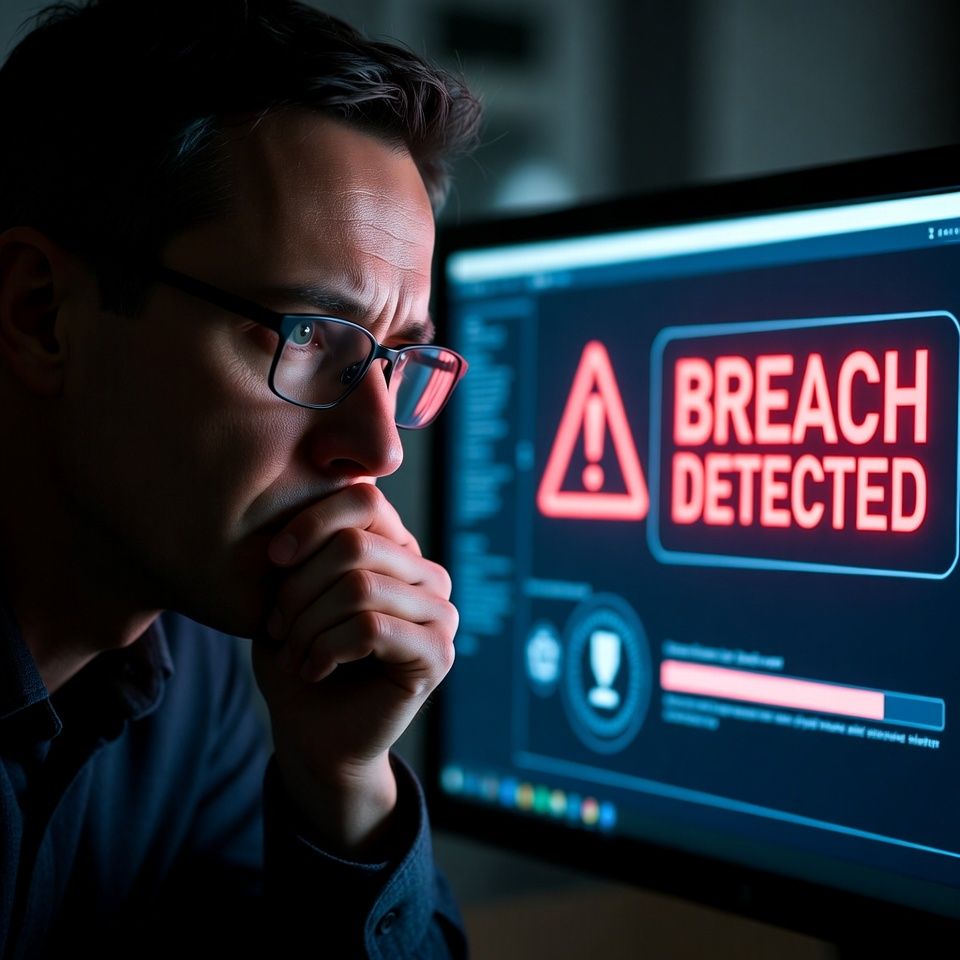
 Businesses worldwide lost more than $8.2 billion to cybercrime in 2024. Digital theft now outstrips the economic impact of many kinds of physical theft and that reality is reshaping IT careers.
From shoplifting to server‑takeover
Most people imagine theft as someone walking out of a store with unpaid goods. In reality, while being charged with theft in Maryland typically involves tangible property such as goods, cash, or equipment, the most damaging theft today happens online. Cyberattacks (ransomware, credential theft, and database breaches) can leave no fingerprints, no witnesses, and often no clear perpetrator.
Companies now treat these incidents as business‑ending events rather than minor IT problems.
Why digital theft hits harder than physical theft
Physical theft has natural limits: a person can only carry so much. Digital theft scales without effort. One leaked database of passwords can fuel thousands of fraud cases across the globe in minutes.
Recent real‑world examples that show how devastating cyber theft can be
- Change Healthcare (BlackCat/ALPHV ransomware, 2024): A major ransomware incident in 2024 led the parent company to report hundreds of millions in quarterly losses and estimated full‑year damages in the billions. The incident illustrates how a single attack can translate into companywide financial impact.
- Colonial Pipeline (DarkSide ransomware, 2021): Attackers targeted critical billing infrastructure, forcing the company to halt pipeline operations. The resulting disruption caused nationwide fuel shortages and required a multi‑million dollar ransom payment.
- Healthcare sector ransomware wave (2016–2023): Hundreds of confirmed attacks on medical organizations over several years caused severe downtime, data exposure, and large combined economic losses, far beyond what typical physical theft would cause.
These cases show a common pattern: the financial damage usually far exceeds the cost of the original crime. Stock prices fall, customers leave, regulators fine, and lawsuits follow.
How cyber theft reshapes IT careers
As cybercrime rises, hiring and career expectations in IT have changed.
Technical skill remains vital, but employers now often require proof of security knowledge from day one. Job descriptions for developers, administrators, and help‑desk roles increasingly list cybersecurity certifications as required or strongly preferred.
Responsibility has increased: a single mistake, approving the wrong access request or missing a phishing email, can expose a company to massive liability. Some IT professionals now carry personal cyber liability insurance, much like malpractice coverage for doctors.
Risk‑management and security roles have exploded in demand: CISOs, incident responders, compliance officers, and threat hunters are among the fastest‑growing, highest‑paid positions in tech. Boards now view cybersecurity failures as economic threats, not merely technical mistakes.
Skills that protect both careers and companies
- Prevention. Regular security training, multi‑factor authentication, zero‑trust access models, and timely patching prevent the most common attacks.
- Detection. Monitoring tools, threat intelligence, and anomaly detection spot suspicious activity early, often before large-scale damage occurs.
- Response. Clear incident response playbooks, tested runbooks, and rehearsed escalation procedures limit damage when prevention fails.
Employees who master these areas become indispensable and often recession‑proof.
Explore of more about the IT industry economic reality, read also: Tech Boom: IT Jobs in High Demand Despite Economic Concerns
The New Economic Reality
Cybersecurity spending is projected to reach $270 billion by 2026, directing funds into jobs, training, and advanced tools. Digital protection creates many more high‑paying positions than traditional physical security roles and often allows remote work flexibility.
Students and career changers notice this shift: cybersecurity degree programs and bootcamps fill quickly as people chase stable, valuable skills. The message is straightforward; learn to protect data, and you protect your career.
Physical theft still happens, and individuals still risk being charged with theft in Maryland for taking tangible items. But the larger economic risk now lives online, where a single breach can cripple a company more effectively than countless cases of shoplifting.